We at PARÉ India have helped hundreds of families across India create ceilings that look attractive and stay reliable for years. Homes here face changes in heat and humidity every season. We listen to what homeowners need and test our designs so they perform well in real conditions. Our team focuses on simple solutions that add style without extra work later. We make sure every panel arrives ready for quick fitting and long service.
The Value of a Quality PVC Ceiling in Modern Homes
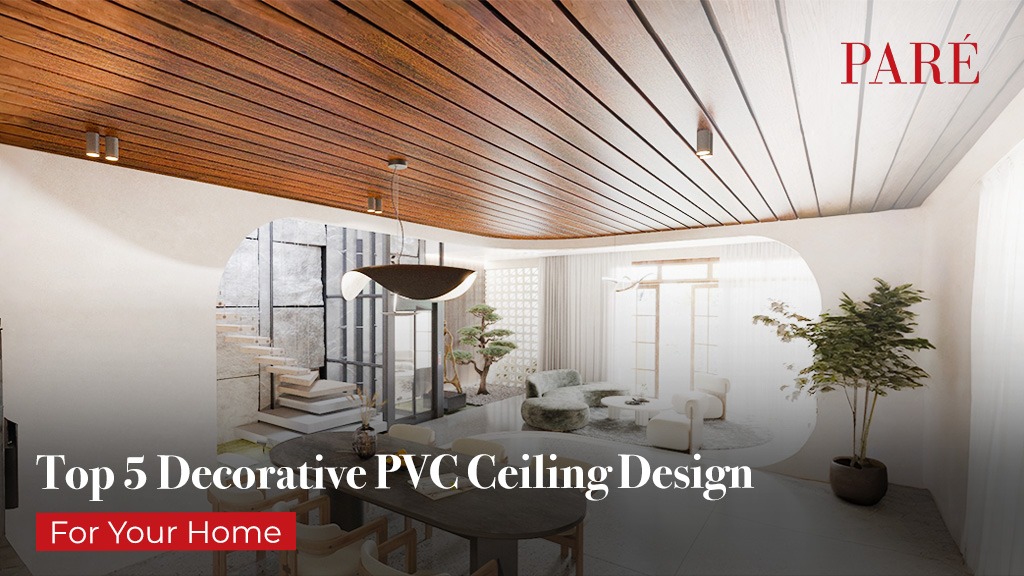
A carefully selected PVC Ceiling can change how a room feels from the moment you walk in. We design our options to give clear beauty and practical strength for everyday Indian homes.
1. Wave Design for Flowing Elegance
The Wave design brings soft curves across the ceiling that add gentle movement and calm. Each panel measures 270 millimetres wide by 3060 millimetres long and comes in more than 25 shades. We make them fully waterproof so they suit kitchens and bathrooms without worry. The fire-retardant rating meets safety needs for family spaces. Lightweight build helps teams fix them fast on standard frames with no heavy lifting. Many parents tell us the flowing pattern makes living areas feel open and relaxing even on busy days.
Many families search for fresh pvc ceiling panel design ideas when they plan updates to match their furniture and walls.
2. Dome Design for Soft Depth
Dome panels create rounded shapes that give depth and a quiet sense of space. They measure 290X3060 millimetres and offer 17 main shades plus more choices. Our material has tensile strength above 37 megapascals and stays firm without distortion when the heat rises. The surface resists impact, so it handles normal use well. We add anti-bacterial properties that support cleaner air inside homes with children. The tongue and groove edges lock neatly, so installers finish large rooms in less time. Families choose this style for bedrooms because it feels soft and welcoming.
3. Stripes Design for Clean Modern Lines
Stripes bring straight clean patterns that make rooms look taller and more organised. These panels measure 215 by 3060 millimetres and resist knocks during fitting or daily life. We build them with precise edges so joints stay hidden and the ceiling looks smooth. Pare India checks every batch for even colour so the finished area appears professional. The lightweight design reduces load on the structure above. Homeowners like how stripes open up small halls and dining spaces without extra cost.
We provide reliable PVC ceiling panel solutions that stay attractive year after year.
4. Linea Design for Timeless Wood Look
Linea panels show straight lines with realistic wood textures that suit classic or modern homes. They stay stable in humidity and need only a quick wipe to keep clean. The termite proof build gives peace of mind where wooden furniture sits nearby. Our production keeps uniform thickness and strong edges for neat fitting. Homeowners pick Linea when they want warm looks without the upkeep real wood needs. The finish holds its colour well even in sunny rooms.
One paragraph here explains the main benefits we deliver:
- Full waterproofing suited to every season in India.
- Fire retardant quality that adds safety for families.
- Strong impact resistance that lasts through daily use.
- Wide range of shades to fit any interior plan.
- Fast installation that saves time and effort.
These points come from feedback on many home projects we have completed.
5. Curve Design for Gentle Movement
Curve panels add soft flowing shapes that create visual interest without being busy. They fix firmly thanks to well-engineered locking systems. We offer shades that work with different wall colours and existing furniture. The light weight makes carrying and fitting easier for teams. No VOC emissions keep the air safer for daily living. This design works well in master bedrooms where people want quiet elegance.
We sometimes compare our PVC options with traditional painted ceilings. Painted surfaces often need fresh coats after a few years while our panels keep their finish much longer with little care. This practical difference helps families save time and money over the years.
Clients also like our pvc ceiling panel sheets for consistent results across larger areas. The quality of our pvc ceiling sheet helps complete neat and elegant interiors with confidence.
Conclusion
We at PARÉ India control every step of production so quality stays high. Our panels work for new builds and renovation jobs alike. We have supplied them to homes in many cities and heard how they make daily life easier. The designs bring style and comfort together without added stress about repairs.
Choosing the right decorative ceiling makes a real difference to how a home feels each day. We keep our range fresh based on what families actually need.
Contact PARÉ India today to find the perfect decorative PVC ceiling design for your home.